Read with Pride
Explore our Pride Month reading list and enjoy 30% off with code PUP30

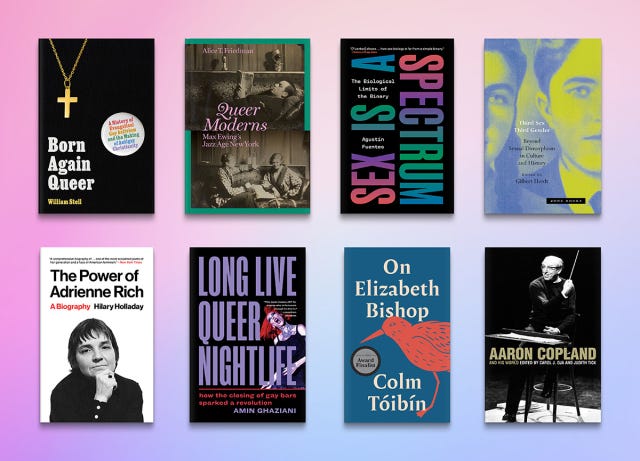
The first Pride marches were held in June, 1970 on the one-year anniversary of the Stonewall Riots, and over the decades that followed, June has become a month dedicated to celebration and commemoration. Celebrate Pride throughout the year with this diverse collection of books exploring LGBTQ+ issues and perspectives.
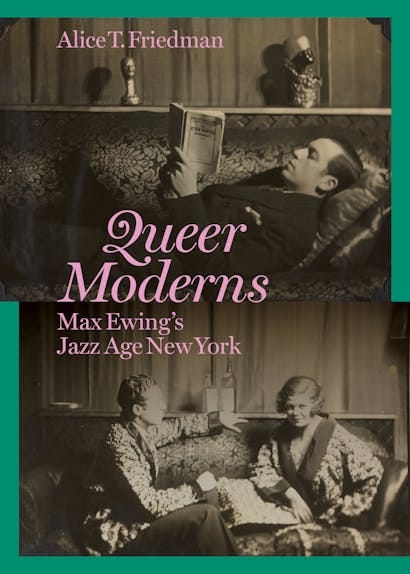
Queer Moderns: Max Ewing’s Jazz Age New York
In Queer Moderns, Alice Friedman tells the fascinating story of the queer avant-garde of the 1920s and ’30s in New York, Paris, and Venice, as seen through the eyes of Max Ewing (1903–1934), a young musician, photographer, and man-about-town who, although virtually unknown today, moved in extraordinary circles. In his photographs and letters, we meet the rising stars of modern art, music, dance, and literature and enter a world of interracial friendship, “queer space,” and experimentation that shone brightly before being swept away by the Depression. It is a remarkable story that reveals that the history of modernism is more queer and more Black than previously recognized.
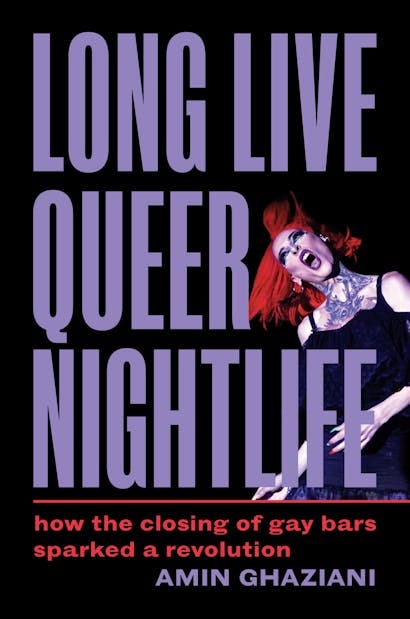
Long Live Queer Nightlife: How the Closing of Gay Bars Sparked a Revolution
In this exhilarating journey into underground parties, pulsating with life and limitless possibility, acclaimed author Amin Ghaziani unveils the unexpected revolution revitalizing urban nightlife. Far from the gay bar with its largely white, gay male clientele, here is a dazzling scene of secret parties—club nights—wherein culture creatives, many of whom are queer, trans, and racial minorities, reclaim the night in the name of those too long left out. Episodic, nomadic, and radically inclusive, club nights are refashioning queer nightlife in boundlessly imaginative and powerfully defiant ways.
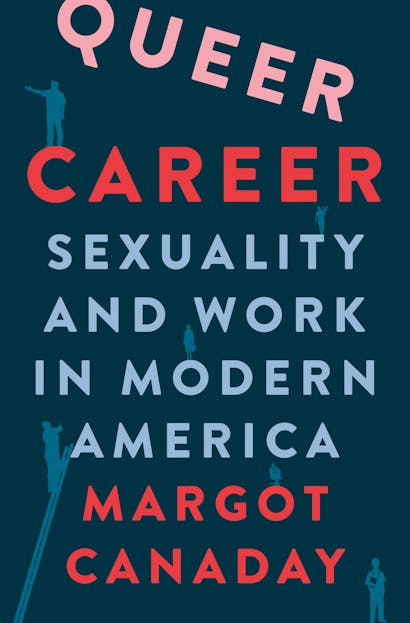
Queer Career: Sexuality and Work in Modern America
Workplaces have traditionally been viewed as “straight spaces” in which queer people passed. As a result, historians have directed limited attention to the experiences of queer people on the job. Queer Career rectifies this, offering an expansive historical look at sexual minorities in the modern American workforce. Arguing that queer workers were more visible than hidden and, against the backdrop of state aggression, vulnerable to employer exploitation, Margot Canaday positions employment and fear of job loss as central to gay life in postwar America.
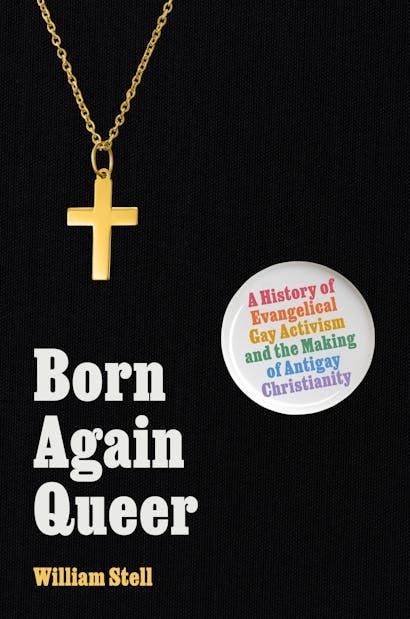
Born Again Queer: A History of Evangelical Gay Activism and the Making of Antigay Christianity
Evangelicals claim that their opposition to homosexuality is an inherent feature of their faith, rooted in their unchanging beliefs about the Bible. Most scholars, journalists, and observers have accepted this account; in Born Again Queer, William Stell upends it. Arguing that the antigay majority in evangelicalism has been less dominant and more vulnerable than previously thought, Stell describes a network of authors, ministers, and professors—all veterans of major evangelical institutions—who worked in the 1970s and 1980s to persuade Christians that their churches should affirm the relationships and ministries of gay and lesbian members.
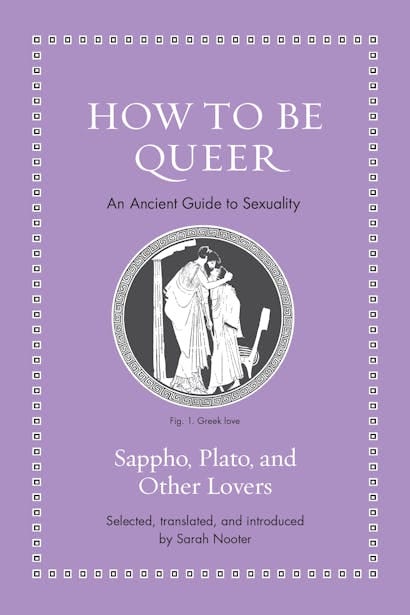
How to Be Queer: An Ancient Guide to Sexuality
The idea of sexual fluidity may seem new, but it is at least as old as the ancient Greeks, who wrote about queer experiences with remarkable frankness, wit, and insight. How to Be Queer is an infatuating collection of these writings about desire, love, and lust between men, between women, and between humans and gods, in lucid and lively new translations. Filled with enthralling stories, this anthology invites readers of all sexualities and identities to explore writings that describe many kinds of erotic encounters and feelings, and that envision a playful and passionate approach to sexuality as part of a rich and fulfilling life.
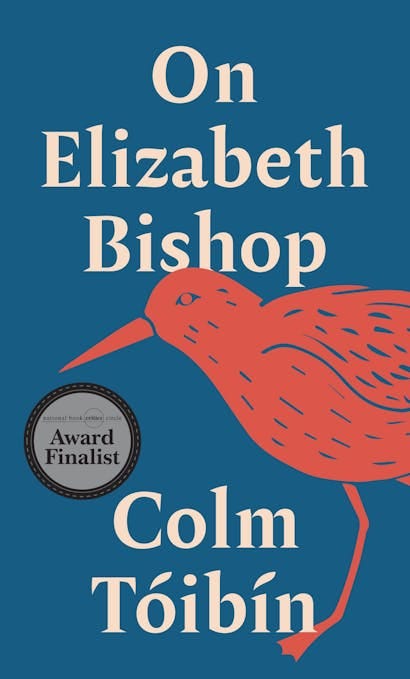
In this book, novelist Colm Tóibín offers a deeply personal introduction to the work and life of one of his most important literary influences—the American poet Elizabeth Bishop. Ranging across her poetry, prose, letters, and biography, Tóibín creates a vivid picture of Bishop while also revealing how her work has helped shape his sensibility as a novelist and how her experiences of loss and exile resonate with his own. What emerges is a compelling double portrait that will intrigue readers interested in both Bishop and Tóibín.
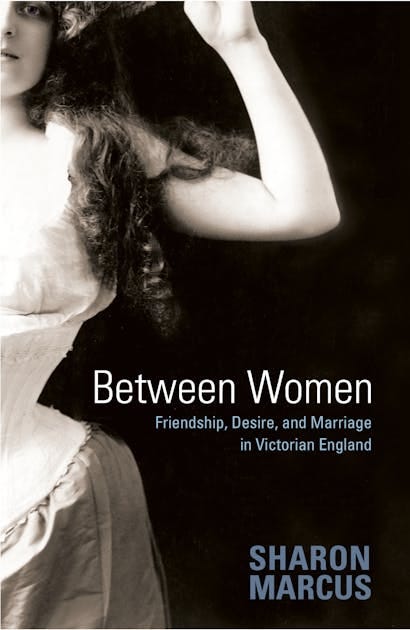
Between Women: Friendship, Desire, and Marriage in Victorian England
Through a close examination of literature, memoirs, letters, domestic magazines, and political debates, Marcus reveals how relationships between women were a crucial component of femininity. Deeply researched, powerfully argued, and filled with original readings of familiar and surprising sources, Between Women overturns everything we thought we knew about Victorian women and the history of marriage and family life. It offers a new paradigm for theorizing gender and sexuality—not just in the Victorian period, but in our own.
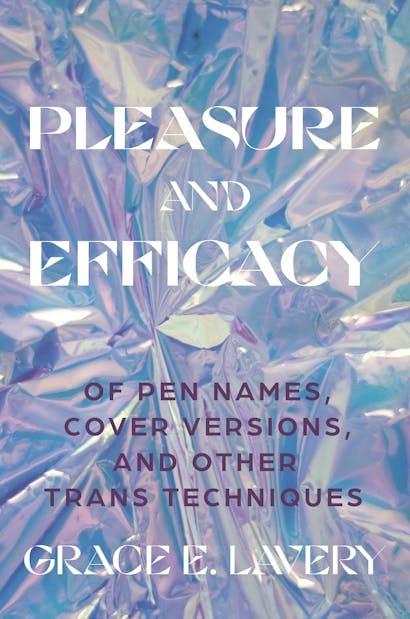
Pleasure and Efficacy: Of Pen Names, Cover Versions, and Other Trans Techniques
In Pleasure and Efficacy, Grace Lavery investigates gender transition as it has been experienced and represented in the modern period. Considering examples that range from the novels of George Eliot to the psychoanalytic practice of Sigmund Freud to marriage manuals by Marie Stopes, Lavery explores the skepticism found in such works about whether it is truly possible to change one’s sex. This ambivalence, she argues, has contributed to both antitrans oppression and the civil rights claims with which trans people have confronted it. Lavery examines what she terms “trans pragmatism”—the ways that trans people resist medicalization and pathologization to achieve pleasure and freedom. Trans pragmatism, she writes, affirms that transition works, that it is possible, and that it happens.
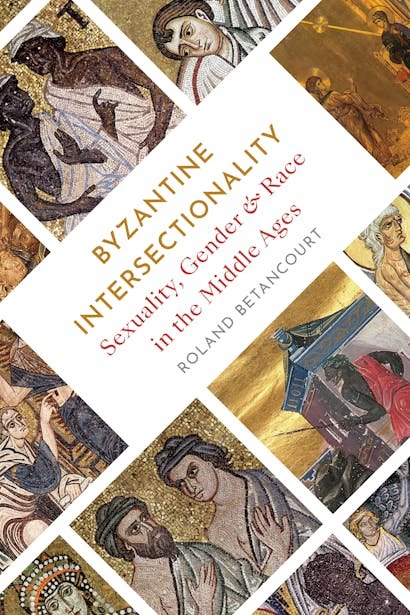
Byzantine Intersectionality: Sexuality, Gender, and Race in the Middle Ages
While the term “intersectionality” was coined in 1989, the existence of marginalized identities extends back over millennia. Byzantine Intersectionality reveals the fascinating, little-examined conversations in medieval thought and visual culture around sexual and reproductive consent, bullying and slut-shaming, homosocial and homoerotic relationships, trans and nonbinary gender identities, and the depiction of racialized minorities. Roland Betancourt explores these issues in the context of the Byzantine Empire, using sources from late antiquity and early Christianity up to the early modern period. Highlighting nuanced and strikingly modern approaches by medieval writers, philosophers, theologians, and doctors, Betancourt offers a new history of gender, sexuality, and race.
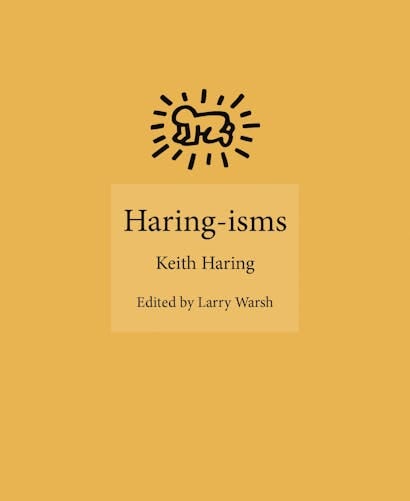
Keith HaringEdited by Larry Warsh
Keith Haring remains one of the most important and celebrated artists of his generation and beyond. Through his signature bold graphic line drawings of figures and forms dancing and grooving, Haring’s paintings, large-scale public murals, chalk drawings, and singular graffiti style defined an era and brought awareness to social issues ranging from gay rights and AIDS to drug abuse prevention and a woman’s right to choose. Haring-isms is a collection of essential quotations from this creative thinker and legendary artist.
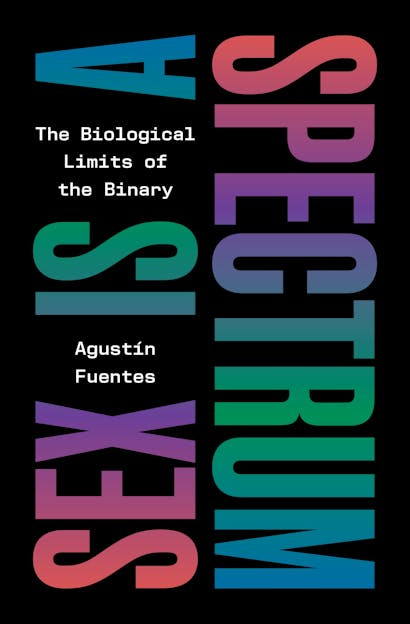
Sex Is a Spectrum: The Biological Limits of the Binary
Being human entails an astonishingly complex interplay of biology and culture, and while there are important differences between women and men, there is a lot more variation and overlap than we may realize. Sex Is a Spectrum offers a bold new paradigm for understanding the biology of sex, drawing on the latest science to explain why the binary view of the sexes is fundamentally flawed—and why having XX or XY chromosomes isn’t as conclusive as some would have us believe.
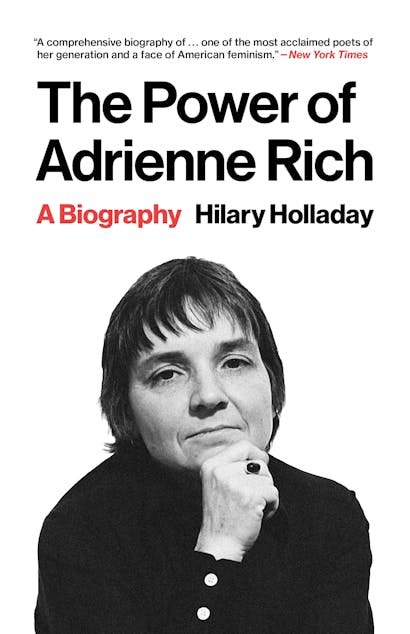
The Power of Adrienne Rich: A Biography
A major American writer, thinker, and activist, Adrienne Rich (1929–2012) transformed herself from a traditional, Radcliffe-educated lyric poet and married mother of three sons into a path-breaking lesbian-feminist author of forceful, uncompromising prose as well as poetry. In doing so, she emerged as an architect and exemplar of the feminist movement, breaking ranks to denounce the male-dominated literary establishment and paving the way for women writers to take their places in the cultural mainstream. Drawing on a wealth of unpublished materials, including Rich’s correspondence and in-depth interviews with many people who knew her, Hilary Holladay provides a vividly detailed, full-dimensional portrait of a woman whose work and life continue to challenge and inspire new generations.

Alan Turing: The Enigma: The Book That Inspired the Film The Imitation Game - Updated Edition
It is only a slight exaggeration to say that the British mathematician Alan Turing (1912–1954) saved the Allies from the Nazis, invented the computer and artificial intelligence, and anticipated gay liberation by decades—all before his suicide at age forty-one. This New York Times bestselling biography of the founder of computer science, with a new preface by the author that addresses Turing’s royal pardon in 2013, is the definitive account of an extraordinary mind and life.
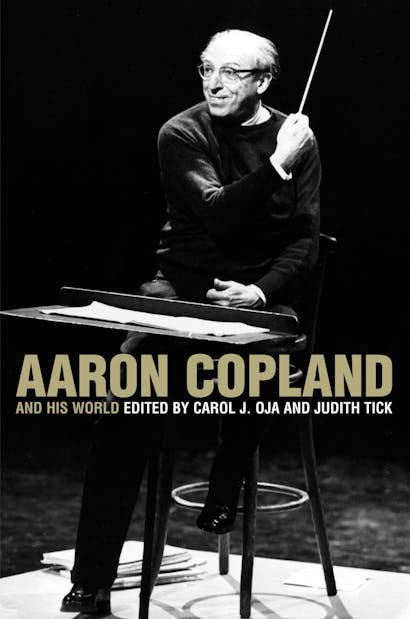
Edited by Carol J. Oja and Judith Tick
Aaron Copland and His World reassesses the legacy of one of America’s best-loved composers at a pivotal moment—as his life and work shift from the realm of personal memory to that of history. This collection of seventeen essays by distinguished scholars of American music explores the stages of cultural change on which Copland’s long life (1900 to 1990) unfolded: from the modernist experiments of the 1920s, through the progressive populism of the Great Depression and the urgencies of World War II, to postwar political backlash and the rise of serialism in the 1950s and the cultural turbulence of the 1960s.
Third Sex, Third Gender: Beyond Sexual Dimorphism in Culture and History
Edited by Gilbert Herdt
Most modern discussions of the relationship of biological sex to gender presuppose that there are two genders, male and female, founded on the two biological sexes. But not all cultures share this essentialist assumption, and even Western societies have not always embraced it. Bringing together historical and anthropological studies, Third Sex, Third Gender challenges the usual emphasis on sexual dimorphism and reproduction, providing a unique perspective on the various forms of socialization of people who are neither “male” nor “female.”
Reading ListsArt & Architecture Literature Philosophy Sociology